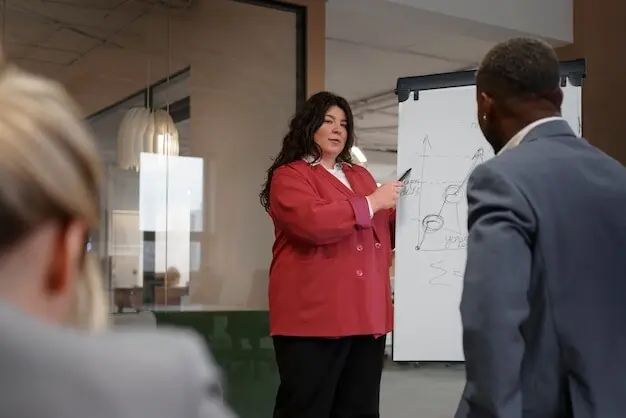
Print, Practice, Connect: Workshop Tools That Spark Better Conversations

Today we’re focusing on printable templates for communication and active listening workshops—ready-to-use worksheets, role-play cards, checklists, and reflection forms designed to reduce prep time, improve engagement, and make every exercise tangible, repeatable, and trainer-friendly for teams, classrooms, and community groups. Download, print, and start meaningful practice immediately.

Start Strong: Core Worksheets That Build Shared Understanding

Before diving into complex simulations, foundational printables create shared language and clear expectations. These worksheets help participants articulate how they want to speak, listen, and disagree respectfully. They signal safety, structure honest dialogue, and give quieter voices visible space on paper, which reduces anxiety, encourages collaboration, and accelerates trust from the very first minutes.

Participant Agreement Sheet

Invite everyone to co-create simple, visible commitments like listening without interrupting, checking assumptions, and asking clarifying questions. A printed agreement becomes a social anchor on the wall, reminding the room to return to respectful practices when tension rises. Signatures add accountability, while personal notes transform guidelines into meaningful, individualized intentions.

Listening Lenses Handout

This handout reframes listening through helpful lenses—curiosity, empathy, accuracy, and inclusion—so participants can consciously choose how they attend to others. With examples and reflective prompts, it guides readers to notice biases and shift focus from defending positions to understanding perspectives. Many facilitators report quieter participants light up once given a shared, printable vocabulary.

Conversation Goals Planner

When discussions drift, motivation vanishes. This planner invites participants to define purpose, success criteria, and boundaries before important conversations. By committing intentions to paper, people track focus, maintain psychological safety, and reduce defensiveness. In debriefs, the planner doubles as evidence of progress, making learning visible and encouraging iterative improvements across multiple sessions.

Active Listening in Action: Structured Exercises You Can Print

Active listening improves when structure lowers cognitive load. Printable prompts, grids, and visual cues nudge participants to paraphrase accurately, ask better follow-ups, and tolerate productive silence. Tangible pages reduce improvisation anxiety for facilitators, while learners appreciate the clarity of step-by-step guidance that transforms abstract concepts into observable, repeatable, and coachable micro-skills during practice.

Paraphrase and Probe Cards

Cards feature sentence starters such as “What I’m hearing is…,” “It sounds like…,” and “Could you say more about…?” Facilitators shuffle prompts to keep practice dynamic. Participants report relief when language scaffolds are visible, making difficult moments less intimidating and improving accuracy, empathy, and momentum in conversations where misunderstandings previously multiplied quickly and needlessly.

Silence and Signals Timer Sheet

Many groups rush to fill silence, missing insights. This printable introduces timed pauses and nonverbal signals, normalizing reflective space. Participants mark pauses, note comfort levels, and observe outcomes. Debriefs often reveal breakthroughs: after counting ten quiet seconds, one team finally heard a colleague’s concern and redesigned their process, saving time and preventing burnout.

Nonverbal Cues Bingo

Turn observation into an energizing game. Squares include posture shifts, nods, mirroring, eye contact, and supportive gestures. While practicing, listeners discreetly track patterns and discuss discoveries afterward. The printable encourages respectful noticing, not judgment, and often uncovers invisible dynamics, inviting inclusive adjustments like re-seating, adjusted lighting, or more intentional turn-taking to balance participation.

Facilitator Confidence: Checklists, Agendas, and Room Guides

Preparation shapes outcomes. These printables lighten the mental load, ensuring materials, timings, and accessibility considerations are not forgotten. Clear agendas keep groups aligned, while room guides translate pedagogy into spatial decisions. Novice facilitators gain reliable structure; experts appreciate consistent quality. When logistics run smoothly, participants focus on deeper listening, honest feedback, and courageous learning.

Session Flow Checklist

From welcome signs to closing reflections, this checklist steadies your cadence. It prompts emotional check-ins, warm-ups, skill drills, practice rounds, and debrief windows. Clear sequencing prevents rushed endings and preserves time for reflection. Facilitators report fewer surprises and smoother pivots when unexpected questions arise, because core beats are printed, visible, and confidently followed.

Room Setup Map

Physical layout influences psychological safety. This map offers layouts for circles, triads, fishbowls, and paired seats, with notes on sightlines, mobility, and accessibility. A printed diagram empowers quick adjustments when the venue changes. Participants feel considered when wheelchairs, interpreters, microphones, and clear pathways appear planned rather than improvised at the last anxious minute.

Timing and Pacing Wheel

Workshops often expand or collapse unexpectedly. The pacing wheel shows time slices for explanation, demonstration, practice, and reflection. Color bands cue energy shifts, while margin notes capture contingency plans. When conversations deepen, you can flex while staying grounded. Facilitators love the confidence of knowing exactly which elements to trim without sacrificing learning.

Real Voices: Role-Play Scenarios for Difficult Conversations

Nothing builds skill like practice with lifelike stakes. These scripted scenarios mirror everyday challenges while protecting participants with clear goals and guardrails. Printed roles, context, and feedback prompts keep interactions on track. Debriefs invite empathy, surfacing blind spots and strengths, while repetition across varied scenarios reinforces resilience, clarity, and a calm, respectful presence.

Manager–Employee Feedback Scenario Pack

Give leaders and contributors structured language for growth conversations. Scenarios include mixed-performance reviews, missed deadlines, and unexpected strengths. Each card guides tone-setting, evidence-based statements, and collaborative problem-solving. Learners practice acknowledging impact without blame, then paraphrase to confirm understanding. Facilitators report faster carryover to real meetings because language and steps are printed, rehearsed, and remembered.

Cross-Cultural Misunderstanding Cards

Invite curiosity where assumptions usually flare. These cards present ambiguous moments about time, directness, or hierarchy, with multiple interpretations and reflection questions. Participants practice asking instead of assuming, and learn to slow judgment. Debriefs often surface gratitude, with people sharing personal histories and realizing how thoughtful listening transforms potentially harmful clashes into opportunities for connection.

Customer Escalation Dialogue Scripts

High emotions require grounded responses. Scripts provide de-escalation stems, empathy statements, and boundary language that keeps relationships intact. Teams practice identifying needs beneath complaints, mirror concerns, and outline next steps transparently. Printed prompts reduce panic in stressful roles, giving new staff a dependable safety net until confidence, fluency, and situational judgment steadily take root.

Reflect, Measure, Improve: Feedback and Assessment Printables

Reflection converts activity into learning. These printables capture evidence of growth and invite honest assessment without shame. Observers track behaviors, participants journal insights, and teams translate lessons into commitments. Over time, pages become a portfolio of progress. Share your favorite adaptations, request new formats, and subscribe for monthly additions shaped by real facilitator feedback.

Engage the Room: Icebreakers and Energy Boosters

Even serious skills grow faster with play. These printable icebreakers warm up attention, reduce social friction, and prime the brain for careful listening. They are quick to set up, inclusive by design, and adaptable for remote or hybrid groups, ensuring every participant feels welcomed, energized, and willing to practice courageously with supportive partners.
Vexonilopexifari
Privacy Overview

This website uses cookies so that we can provide you with the best user experience possible. Cookie information is stored in your browser and performs functions such as recognising you when you return to our website and helping our team to understand which sections of the website you find most interesting and useful.